
Key Components of a LEV Commissioning Report
- Introduction: The report should begin with an introduction that outlines the scope of work, the purpose of the LEV system, and its objectives
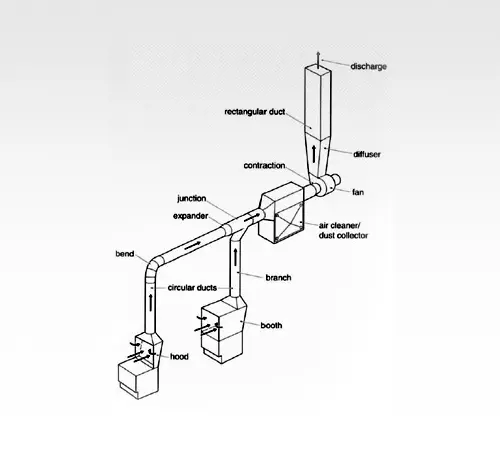
- System Description: Include a detailed description of the LEV system, including its components (hoods, fans, filters) and their locations
- Performance Testing: Document the results of performance tests, including airflow measurements, capture efficiency, and any issues identified during testing. This should also include photographic evidence of any problems
- Compliance with Regulations: The report must confirm that the system complies with the Control of Substances Hazardous to Health (COSHH) Regulations and other relevant health and safety standards
- Action Points: Clearly outline any required actions, including design modifications, priorities, and implementation timelines. Defects should be classified as critical, essential, or recommended
- Recommendations: Provide clear and concise recommendations based on the findings, including maintenance schedules and future testing requirements
- Signatures and Documentation: Ensure the report is signed by a qualified commissioner, demonstrating impartiality and competency. This serves as proof that the system has been properly commissioned
Importance of the Commissioning Report
- Legal Compliance: A properly documented commissioning report is not optional; it is a legal requirement under HSE guidelines. Failure to provide this documentation can lead to compliance issues and potential penalties
- Workforce Safety: The report ensures that the LEV system is functioning correctly, protecting workers from exposure to hazardous substances
- Baseline for Future Inspections: The commissioning report establishes a performance baseline for future inspections and maintenance, ensuring ongoing compliance and safety.
In summary, a comprehensive LEV commissioning report is crucial for ensuring that local exhaust ventilation systems are effective, compliant, and safe for use in the workplace. It should be prepared by qualified professionals and include detailed assessments and recommendations for maintaining system performance.